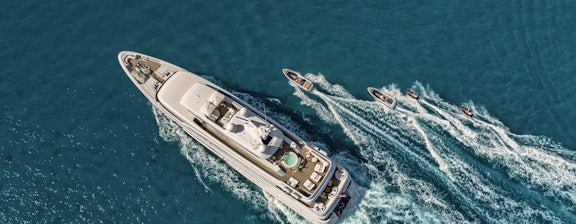
People often use “yacht” and “boat” interchangeably, but the two terms describe different experiences on the water. If you’re trying to decide which type of vessel fits your lifestyle, or simply want to understand what separates them, this guide covers the practical differences that matter most.
Let’s get straight to what distinguishes these vessels in real-world terms: how they’re built, how they perform, how regulations treat them differently, what it’s like to live aboard, and what they cost to operate.
How Construction Differs
The way a vessel is built tells you a lot about its intended purpose and capabilities.
Hull Materials
Boats keep it simple. Most recreational boats use fiberglass construction, which offers a good balance of durability, weight, and cost. Aluminum hulls appear frequently in fishing boats and smaller vessels designed for shallow waters and inland waterways.
Yachts expand the material options significantly:
- Fiberglass
- Common Applications: Small to mid-size yachts
- Key Characteristics: Cost-effective, easy to repair, widely available
- Aluminum
- Common Applications: Explorer yachts, expedition vessels
- Key Characteristics: Lightweight, handles ice and rough conditions
- Steel
- Common Applications: Large yachts, commercial-grade builds
- Key Characteristics: Maximum strength, magnetic (affects navigation)
- Carbon fiber
- Common Applications: Performance and racing yachts
- Key Characteristics: Ultra-lightweight, expensive, high-performance
- Composite
- Common Applications: Modern luxury yachts
- Key Characteristics: Combines the benefits of multiple materials
A motor yacht built for crossing oceans might use steel for its strength in rough seas. A sailing yacht optimized for racing could use carbon fiber to minimize weight. Boats rarely need these specialized options.
Build Quality Standards
Boats meet basic safety requirements for their size class. A recreational vessel sold in the United States must comply with Coast Guard regulations covering flotation, fuel systems, and electrical components. That’s usually enough for day trips and weekend use.
Yachts are often built to higher standards. Many yacht owners choose to build their vessels to classification society standards—meaning organizations like Lloyd’s Register or Bureau Veritas inspect and certify that the yacht meets strict engineering and safety benchmarks. This certification matters for boat insurance rates, resale value, and peace of mind during longer trips in challenging weather conditions.
Performance Characteristics
How a vessel behaves on the water shapes the experience aboard.
Speed and Efficiency
Boats are generally faster than yachts. A center console fishing boat might cruise at 30+ knots to reach fishing grounds quickly, while a wakeboard boat optimizes for the perfect wake at lower speeds. Most recreational boats prioritize getting somewhere fast or performing a specific task.
Yachts sacrifice top speed for range and comfort. A displacement hull motor yacht might cruise comfortably at 10-12 knots, prioritizing fuel consumption efficiency over raw speed. A semi-displacement yacht could push 18-20 knots when needed while maintaining reasonable economy at cruising speeds.
The math changes with size. A small boat burning 10 gallons per hour feels expensive. A large yacht burning 100 gallons per hour at cruising speed is actually quite efficient for its size, and that fuel capacity enables longer distances between fill-ups.
Handling Different Conditions
Boats stay close to home. They excel in protected waters like lakes, rivers, and calm bays; places where shallow waters and predictable weather conditions make day trips easy and safe.
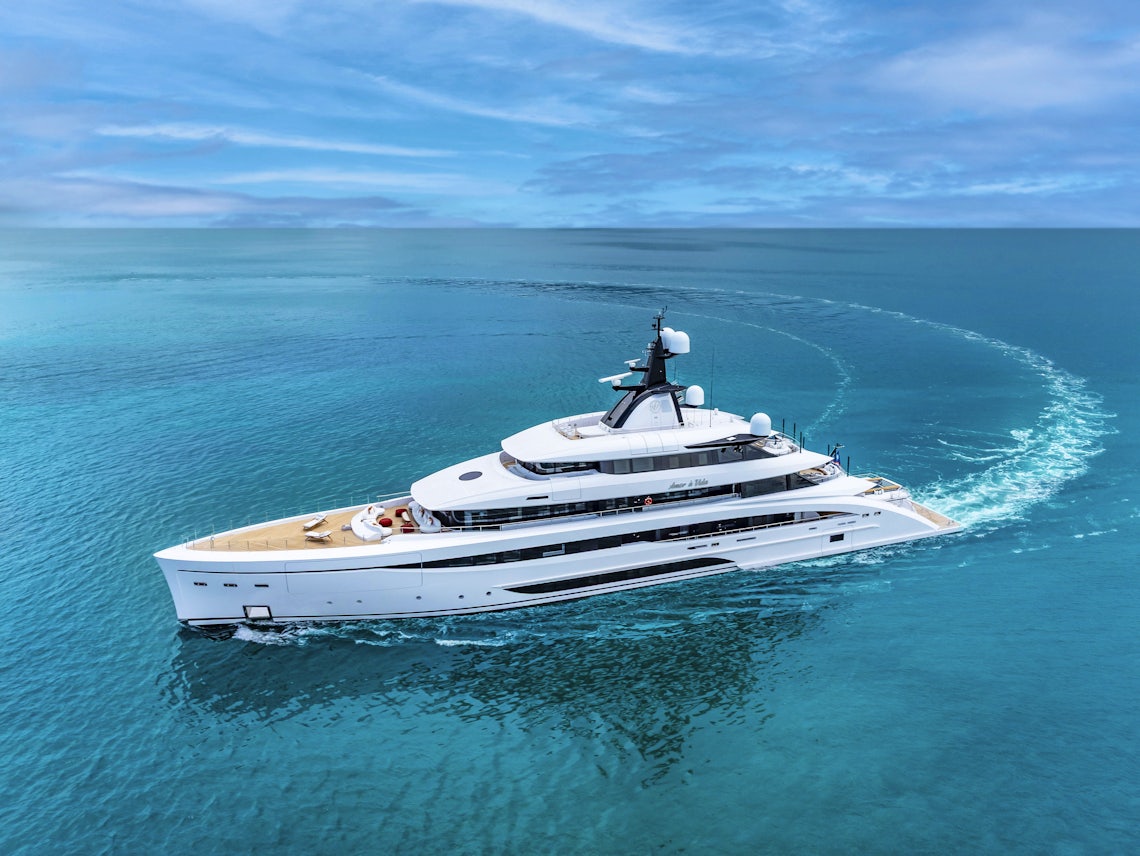
Yachts go where boats can’t. A sailing vessel designed for bluewater cruising can heave-to and ride out a storm that would endanger a coastal cruiser. An explorer yacht with ice-class hull construction can reach Arctic destinations that no recreational boat could safely attempt. Yachts handle open ocean passages, rough seas, and extended voyages lasting days or weeks.
Regulatory and Documentation Differences
How authorities classify your vessel affects registration, operation, and legal requirements.
Registration Categories
Boats register like cars. In the United States, boats under 5 net tons typically register with state authorities in a straightforward, inexpensive process.
Yachts require federal documentation. Larger vessels qualify for documentation through the Coast Guard. This:
- Provides proof of nationality for international travel
- Serves as legal proof of ownership
- May be required for commercial purposes like chartering
- Affects financing options (Some yacht owners register vessels under foreign flags for tax or regulatory reasons)
Licensing and Certification
Boats require minimal credentials. Basic boater education courses satisfy legal requirements in most states, and many states don’t require any license for recreational vessel operation.
Yachts demand more expertise. Captains of larger vessels often hold USCG licenses, international voyages may require STCW certifications for crew members, and insurance companies may mandate certain qualifications. Many yacht owners rely on professional captains and crew members through experienced yacht management companies, like Moran Yacht & Ship, rather than obtaining these credentials themselves.
Living Aboard: Space and Systems
The difference between spending an afternoon on a boat versus weeks aboard a yacht comes down to systems and space.
Electrical and Mechanical Systems
Boats run on simple systems. A typical boat uses battery power supplemented by engine charging—navigation lights, a radio, maybe a fish finder. The internal combustion engine handles propulsion, and that’s about it.
Yachts operate as self-contained environments with multiple generator systems for:
- Electrical power at anchor
- Air conditioning and heating for any climate
- Watermakers that produce fresh water from seawater
- Stabilizers that reduce rolling in rough seas
- Sophisticated navigation systems integrating radar, satellite communication, and electronic charts
These systems require maintenance and expertise, which is one reason larger yachts carry an engineering crew.
Living Spaces
Boats offer functional space. A larger boat might have a small cabin for occasional overnight stays: somewhere to sleep, a basic bathroom, and limited storage.
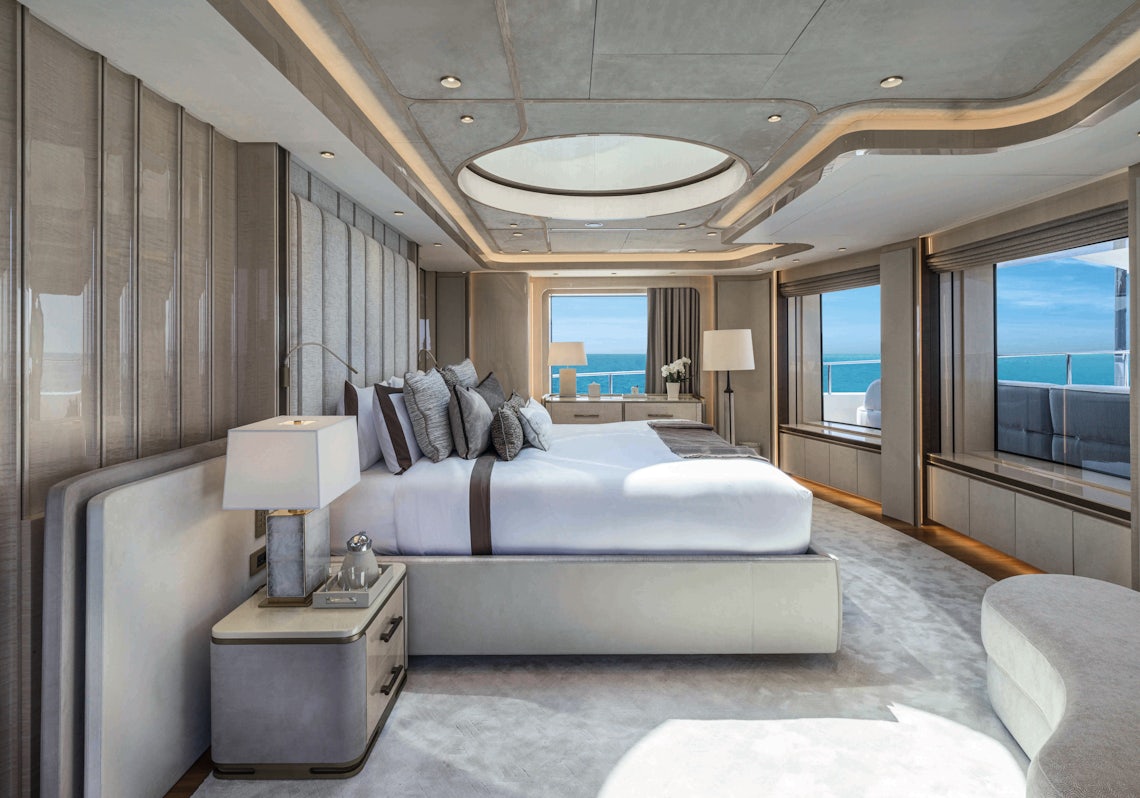
Yachts provide actual living quarters. Even a small yacht typically includes spacious cabins with real beds, full-height headroom throughout, a proper galley with refrigeration and cooking facilities, one or more full bathrooms with separate showers, climate control, and dedicated storage for extended voyaging. Large yachts expand this into true floating residences with owner’s suites rivaling high-end hotels, private guest staterooms, and separate crew quarters.
The Real Cost Comparison
Purchase price represents just the beginning of vessel ownership costs.
Acquisition Costs
Boats range from affordable to premium, depending on size and purpose. A basic fishing boat costs a fraction of what you’d pay for a high-end center console, but both fall within reach for many recreational buyers.
Yachts operate in a different financial category entirely. Even entry-level yachts represent a significant investment, and prices climb quickly as size, features, and build quality increase. Custom superyachts from top shipyards can reach figures that rival real estate in major cities.
Operating Expenses
Boats cost relatively little to run. Boat insurance, storage, maintenance, and fuel add up to manageable annual expenses for most owners, especially if you trailer your boat and store it at home.
Yachts cost substantially more. The industry rule of thumb is that annual operating costs are around 10% of a yacht’s value. This factors in crew salaries, fuel consumption, marina fees, insurance, maintenance, provisions, and management costs. The larger the yacht, the higher the operating budget.
The Hidden Economics
Boats rarely generate income. They’re pure expense, which is fine if the recreational purposes they serve justify the cost.
Yachts can pay for themselves. Some yacht owners offset costs through charter programs; When you’re not using the vessel, guests pay to charter it, generating income that reduces net ownership expense.
Making Your Decision
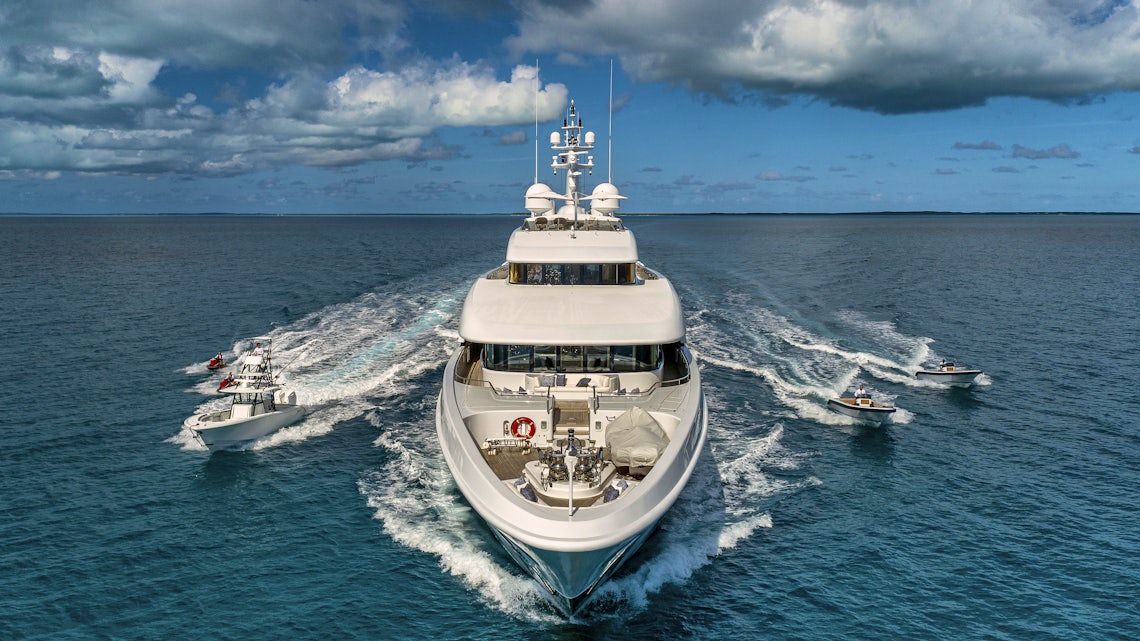
The yacht vs boat question ultimately comes down to how you want to spend time on the water.
Choose a Boat If You Want:
- Focused recreation — fishing, watersports, day cruising
- Local adventures — exploring familiar waters close to home
- Simplicity — systems you can maintain and operate yourself
- Lower commitment — both financial and time investment
- Trailering flexibility — launch anywhere, store at home
Choose a Yacht If You Want:
- Extended journeys — voyages measured in weeks, not hours
- Distance capability — reach destinations far from home
- Onboard living — comfort that doesn’t compromise for space
- Guest entertainment — host friends and family in style
- Professional support — crew handling operations and maintenance
Many boaters eventually transition to yachts as their interests evolve. Starting with the perfect boat for your current activities makes sense. When those activities expand to include longer trips and greater comfort expectations, the yacht conversation begins naturally.
Expert Guidance for Your Journey
At Moran Yacht & Ship, we understand both sides of this equation. Our team includes former captains and engineers who’ve operated everything from day boats to the world’s largest superyachts. We know what makes each type of vessel work, and what makes ownership rewarding.
If you’re considering your first yacht or looking to move up from your current vessel, our yacht broker team offers honest guidance based on your goals. We specialize in yacht sales across all sizes, from capable cruising yachts to custom superyacht construction.
Contact Moran Yacht & Ship to discuss where you are in your journey. We’ll help you find the right vessel for the experiences you want on the water.