Short answer: A sea trial is a performance test conducted on a yacht while underway, before the sale is finalized. It gives the buyer a firsthand look at how the vessel handles, whether the mechanical systems work properly, and whether the boat performs as advertised; all before any money changes hands.
If you are in the process of buying a yacht, you have likely come across the term “sea trial.” It is one of the most talked-about steps in the boat buying process, and for good reason. A sea trial gives you the chance to get behind the helm, feel how the vessel handles on the water, and verify that everything works the way the seller says it does. Think of it like a test drive, except instead of a quick loop around the block, you are out on open water putting the vessel through its paces.
At Moran Yacht & Ship, we have guided buyers through hundreds of sea trials. Here is everything you need to know before yours.
What Is a Sea Trial?
A sea trial is a performance test conducted on a boat or yacht while underway, before the purchase is finalized.
What happens during one?
The yacht is taken out on the water, typically for a few hours, and put through a series of evaluations. The goal is to confirm that the mechanical systems, navigation system, and overall capabilities match what is described in the listing and agreed upon in the contract.
A sea trial is not just a pleasure cruise. It is a structured assessment, and the findings can directly affect the purchase price or the buyer’s decision to move forward.
Why Is a Sea Trial Important?
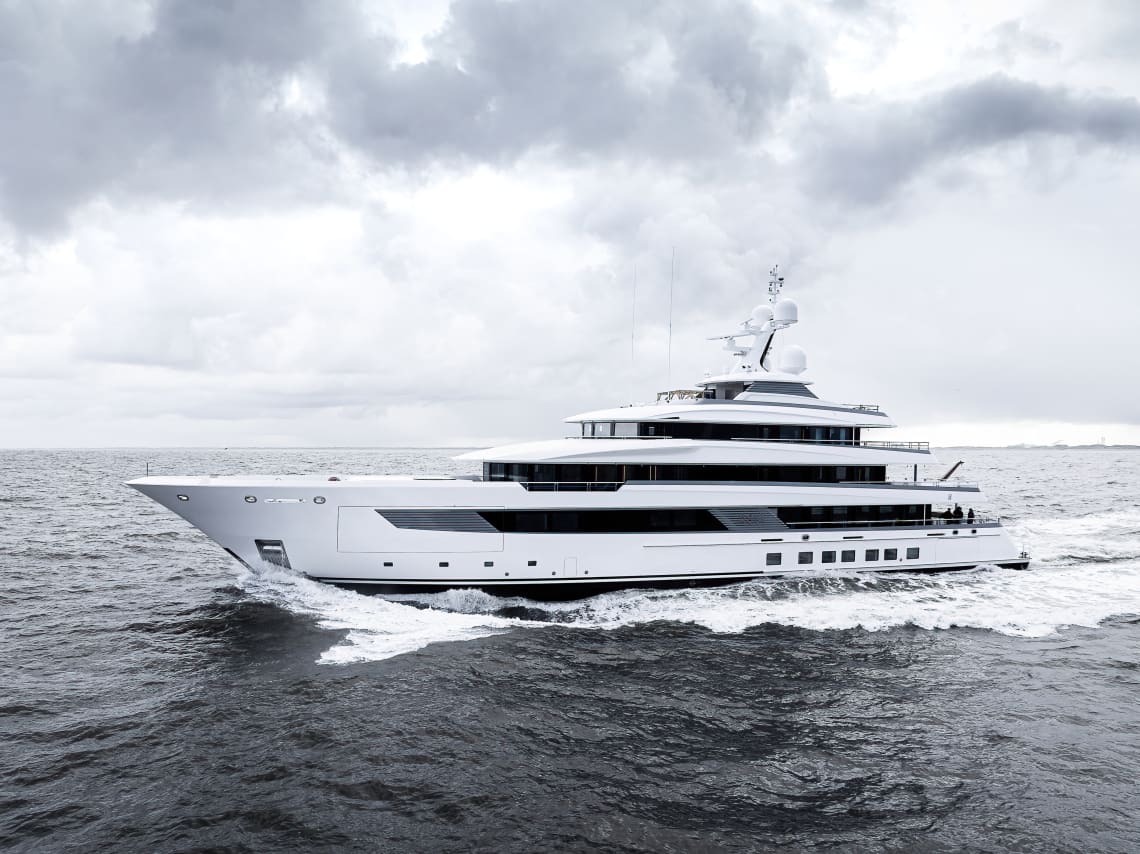
A sea trial protects the buyer. A yacht can look immaculate tied up at a marina and still have engine problems, steering issues, or navigation system failures that only reveal themselves once the engine is pushed to speed on open water.
Here is what a sea trial helps verify:
- Engine performance — How does the engine start, run, and respond at various speeds?
- Mechanical systems — Do the generators, pumps, and stabilizers function properly?
- Navigation and electronics — Are the helm instruments, electronic navigational charts, and autopilot accurate?
- Handling characteristics — How does the vessel maneuver at speed, in turns, and when docking?
- Structural integrity — Are there unusual vibrations, noises, or movements that indicate underlying issues?
For a first-time buyer especially, having all of this confirmed before signing is invaluable.
When Does a Sea Trial Take Place?
A sea trial typically happens after the buyer and seller have agreed on a price and signed a purchase contract, but before the sale closes. The contract will usually include a sea trial clause that gives the buyer the right to conduct one.
Here is how it fits into the overall boat buying process:
- Identify the vessel — Work with your buyer broker to find the right yacht.
- Make an offer — Submit an offer and agree on a purchase price with the seller.
- Sign the contract — A contract is executed with a sea trial and marine survey contingency built in.
- Conduct the sea trial — The maritime vessel is taken out and evaluated underway.
- Complete the marine survey — A marine surveyor inspects the vessel in full detail.
- Renegotiate if needed — If the testing turns up issues, the buyer may renegotiate or withdraw.
- Close the sale — If everything checks out, the sale is finalized.
The sea trial and the survey are closely connected and are often scheduled on the same day to keep things efficient.
Who Should Be Present?
The Buyer
You should absolutely be there. This is your chance to spend time aboard, review details firsthand, and form your own impressions of how the vessel feels on the water.
Your Yacht Broker
Your buyer broker advocates for your interests, helps interpret what you are seeing, and asks the right questions of the seller and crew. An experienced broker has been through many sea trials and knows exactly what to look for.
A Certified Marine Surveyor
A surveyor is an independent professional who evaluates the condition and value of a vessel. While the sea trial focuses on performance underway, the marine surveyor digs into the mechanical systems, hull, safety equipment, and documentation.
Coordinating with accredited marine surveyors early is one of the best things a mariner or first-time buyer can do to protect their investment.
The Seller or Captain
The seller or their captain will be on board to operate the vessel, answer questions, and provide full access to all systems and spaces aboard.
What Happens During a Sea Trial?
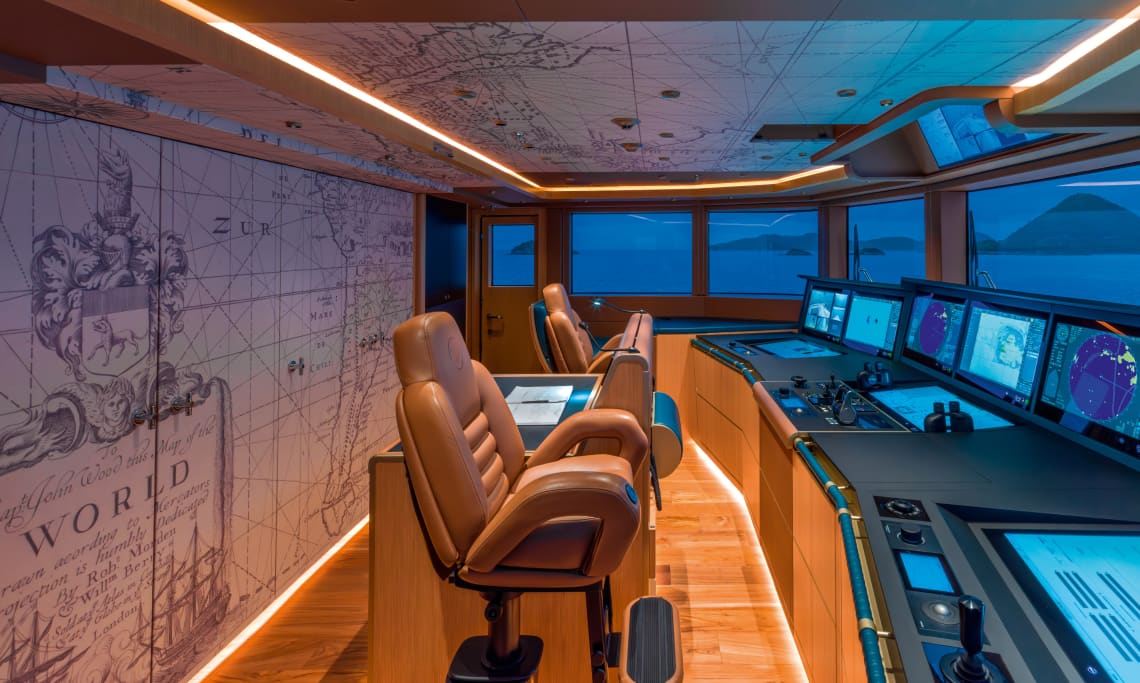
Dockside Inspection
Before leaving the dock, the surveyor and buyer walk through the vessel to document its baseline condition. Systems are started up and checked at idle before heading out.
Underway Testing
Once on the water, the vessel is put through a series of tests over the course of one to several hours. These typically include:
- Running the engine(s) at various speeds, including full throttle
- Testing acceleration, deceleration, and steering responsiveness
- Checking all navigation and communication equipment
- Testing mechanical systems like stabilizers and bow thrusters
- Monitoring engine gauges, temperature, and oil pressure under load
High-Speed Runs
The yacht is brought up to its rated speed to confirm it performs as advertised. Engine RPMs, fuel consumption, and hull behavior at speed are all documented during this phase of testing.
Slow-Speed Handling
Maneuverability at low speeds is equally important, especially if you plan to dock frequently in tight marinas. How the vessel handles at a slow speed, even within minutes of leaving the dock, tells you a lot about its day-to-day capabilities.
Return to Dock
The yacht is brought back in and the docking process is observed. Any changes in engine performance after prolonged running are also noted at this stage.
What Makes a Successful Sea Trial?
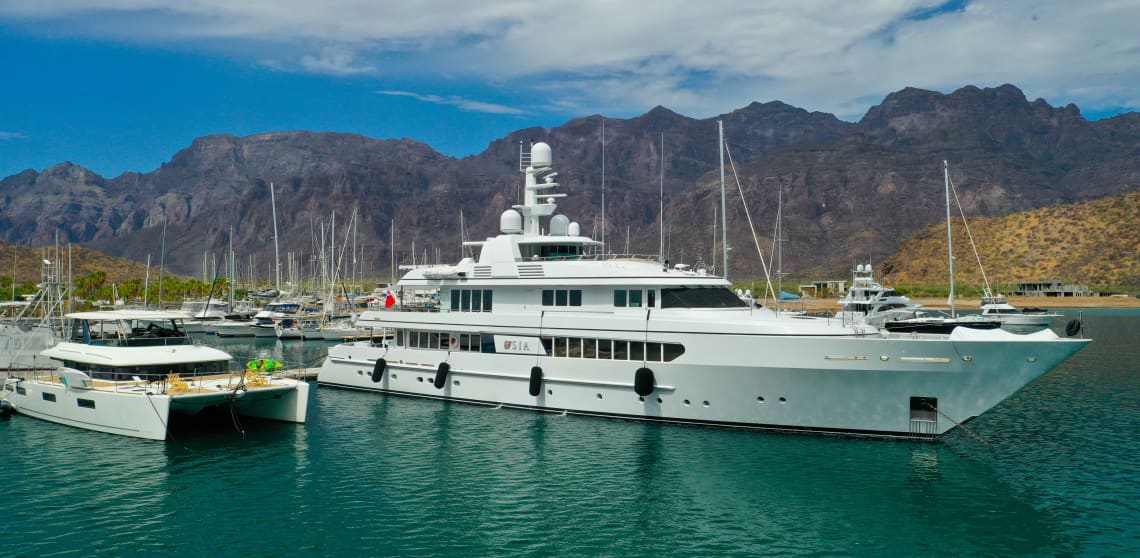
A successful sea trial is one where the vessel performs as represented, the buyer comes away with a clear picture of what they are purchasing, and any issues are documented with enough detail to act on.
That last part matters. Even when problems come up, a well-run sea trial gives the buyer the information they need to negotiate confidently or walk away cleanly.
The goal is not a flawless boat ride; it is an honest one.
What If Issues Are Found?
Finding issues during a sea trial does not automatically mean the deal falls through.
Minor issues — Small deficiencies are often addressed through a negotiated repair list or a credit toward the purchase price before closing.
Major issues — Significant mechanical problems, hull damage, or safety concerns give the buyer the right to renegotiate or withdraw from the contract entirely, depending on the agreed terms.
This is exactly why the sea trial contingency in your purchase contract matters. It gives you a defined exit if the vessel does not perform as expected.
Tips for Getting the Most Out of Your Sea Trial
- Bring your broker. An experienced yacht broker will know which questions to ask and what red flags to watch for.
- Hire a certified marine surveyor. Accredited marine surveyors bring technical expertise that most buyers simply do not have.
- Take notes and photos. Document every detail you observe, from unusual sounds to instrument readings.
- Ask for full access. You are entitled to inspect every part of the vessel: engine room, bilge, crew quarters, and all mechanical spaces.
- Do not rush it. A thorough sea trial takes time. Budget at least two to four hours on the water.
- Think beyond the maiden voyage. Consider how this boat will perform over years of use, not just on its first trip with you aboard.
- Trust your instincts. If something feels off, raise it with your broker and surveyor immediately.
Working with a Yacht Broker Makes a Difference
Navigating a sea trial on your own, especially as a first-time buyer, is a significant challenge. A buyer broker works exclusively in your interest, not the seller’s.
What a Professional Yacht Broker Brings to the Table
- Experience attending and evaluating sea trials on vessels of all sizes
- Established relationships with accredited marine surveyors
- The ability to interpret findings in the context of the deal and purchase price
- An advocate in your corner for safer navigation through a complex transaction
Why Moran Yacht & Ship
At Moran Yacht & Ship, our team includes former yacht captains and engineers who have spent careers at sea. When we accompany a buyer on a sea trial, we are drawing on decades of firsthand knowledge and brokerage experience to make sure you are getting exactly what you are paying for.
Ready to Take the Next Step?
A sea trial is one of the most important parts of buying a yacht. Done right, it gives you confidence that the vessel you are purchasing will perform the way you expect, and protects you from surprises after the sale.
If you are exploring the yacht buying process and want guidance from a team that has been doing this since 1988, Moran Yacht & Ship is here to help. Contact us today to connect with a yacht broker who will represent your interests from first showing to final closing.