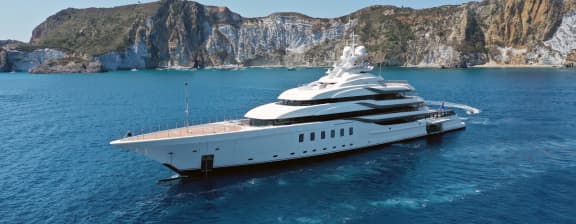
The short answer: a yacht costs anywhere from around $1 million to well over $600 million, depending on size, builder, age, and condition. But purchase price is only part of the picture. Annual running costs typically add 10% of the yacht’s value per year, which is where most first-time buyers get surprised.
We’ve brokered hundreds of yacht sales at Moran Yacht & Ship, from 24-meter explorer yachts to 100-meter-plus new builds. Below is what we tell clients when they ask us this question.
Yacht Prices by Size: What You’ll Actually Pay
Purchase price scales exponentially with length. A yacht twice as long doesn’t cost twice as much — it costs roughly four to six times as much, because beam, volume, and systems complexity grow with every meter.
Here’s what the market looks like in 2026 for pre-owned yachts in good condition:
| Size Range | Typical Price Range | Category |
|---|---|---|
| 24–30m (80–100 ft) | $1M – $8M | Entry-level yacht |
| 30–40m (100–130 ft) | $5M – $20M | Mid-size yacht |
| 40–50m (130–165 ft) | $12M – $35M | Large yacht |
| 50–70m (165–230 ft) | $25M – $80M | Superyacht |
| 70–90m (230–300 ft) | $60M – $180M | Large superyacht |
| 90m+ (300+ ft) | $150M – $600M+ | Mega yacht |
These ranges reflect real asking prices across the brokerage market. New-build pricing runs 20–50% higher for equivalent size, depending on the shipyard and level of customization.
You can browse current listings and asking prices on our yachts for sale page.
What Drives the Price Difference Between Two Yachts of the Same Size?
Two 50-meter yachts can have a $40 million price gap between them. The main factors:
Builder and pedigree. A Lürssen, Feadship, or CRN commands a premium because of build quality, engineering standards, and resale value. A yacht from a lesser-known yard may offer more space per dollar, but it depreciates faster and can be harder to sell.
Age and refit history. A 10-year-old yacht that just completed a $5 million refit can be worth more than a 5-year-old yacht that’s been neglected. Buyers should look at the condition, not just the year. Recent survey reports, class status, and engine hours matter more than the build date.
Interior design and customization. A yacht with a custom interior by a top designer (Winch, Nuvolari + Lenard, Reymond Langton) holds value better. Dated interiors are one of the biggest negotiating points in brokerage deals.
Equipment and systems. Zero-speed stabilizers, modern AV systems, tenders, toys, and recently overhauled engines all factor in. Buyers sometimes underestimate how much a full tender and toy package is worth — replacing that gear from scratch can run $500K to $2M+.
The True Cost of Owning a Yacht: Beyond the Purchase Price
The yacht price is the number everyone asks about. But running costs are where the real financial commitment lives. The industry rule of thumb is that annual operating costs run about 10% of the yacht’s purchase price, though this varies.
Here’s what that breaks down to for a 50-meter superyacht valued at $30 million:
| Expense Category | Estimated Annual Cost |
|---|---|
| Crew (captain + 9–12 crew) | $1.2M – $1.8M |
| Fuel (assuming 8–12 weeks of cruising) | $300K – $600K |
| Insurance | $200K – $400K |
| Dockage and marina fees | $200K – $500K |
| Maintenance and repairs | $500K – $1.5M |
| Management fees | $150K – $300K |
| Miscellaneous (provisions, travel, admin) | $150K – $300K |
| Total estimated annual cost | $2.7M – $5.4M |
That’s roughly 9–18% of hull value per year for a yacht of this size and usage pattern. Smaller yachts trend toward the lower end; larger or older yachts trend higher.
Moran’s yacht management team handles operational oversight for owners who want transparency and control over these costs without managing day-to-day logistics themselves.
How Much Does a Small Yacht Cost?
For buyers entering the market in the 24–30 meter (80–100 foot) range, here’s what to expect:
Purchase price: $1M to $8M for a pre-owned yacht in reasonable condition. At the lower end, you’re looking at yachts that are 15–25 years old and may need a refit. At the upper end, you’re getting a well-maintained yacht under 10 years old or a recent refit from a quality builder.
Annual running costs: $150K to $500K, depending on crew size (typically 3–5), usage, and home port. Fuel costs are significantly lower. A yacht this size can run on a single captain-engineer with a small crew, which keeps payroll manageable.
What you get: 3–4 guest cabins, a salon, bridge deck, and enough outdoor space for dining and sunbathing. Typically 1–2 tenders and a basic toy selection.
This is the sweet spot for owners who want the yacht lifestyle without the operational complexity of a larger vessel.
New Build vs. Pre-Owned: Where Does Your Money Go Further?
For most buyers, pre-owned offers better value. Here’s why:
A new-build 50-meter yacht from a top-tier European yard will cost $45–70 million and take 3–4 years to deliver. A 5-year-old pre-owned yacht of similar quality might list for $25–35 million and is available now.
The trade-off: with a new build, you get exactly what you want — your layout, your materials, your systems. With pre-owned, you’re working within someone else’s vision, though a well-planned refit can close that gap for a fraction of the new-build premium.
There are exceptions. Some builders hold value better than others, and certain hull designs or engineering platforms age extremely well. This is where working with an experienced broker pays for itself — knowing which pre-owned yachts are genuinely good value versus which ones are priced low for a reason.
We can walk you through what’s currently available in any size range. View yachts for sale or reach out to discuss what fits your program.
Can Chartering Offset Ownership Costs?
Yes, and many owners do this. A well-managed charter yacht can generate $500K to $3M+ per year in charter revenue, depending on size, location, and the number of weeks booked.
A few realities to keep in mind:
The yacht needs to be commercially compliant (MCA or flag state requirements), which means higher build and maintenance standards. Charter wear and tear is real — your yacht will see more use, and you’ll need to budget for more frequent soft goods replacement and cosmetic upkeep.
That said, the tax advantages and revenue offset make chartering an attractive proposition for many owners. Some structure their ownership specifically around the charter model from day one.
If you’re curious about charter yields for a specific size or itinerary, our charter team can model that out.
The Bottom Line
Yacht pricing isn’t a single number — it’s a matrix of purchase price, operating costs, depreciation, and (potentially) charter income. The single biggest mistake we see buyers make is focusing on the asking price and underestimating the annual commitment.
The second biggest mistake is not getting independent guidance. Unlike real estate, there’s no MLS and no standardized pricing. An experienced yacht broker knows what a yacht is actually worth versus what it’s listed at, and that gap can be millions of dollars in your favor.
If you’re considering a purchase, we’re happy to talk through the real numbers for the size and type of yacht you’re looking at. No obligation, no pressure — just straight information from people who do this every day.