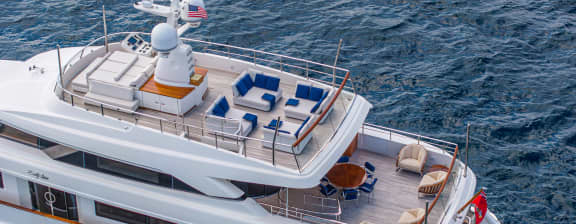
Stepping aboard a luxury yacht for the first time is an unforgettable experience. The open water, the gentle sway of the deck, and the sea breeze is everything you imagined. But like any adventure on the water, your first charter comes with a learning curve.
The good news? When you charter a yacht through Moran Yacht & Ship, you are never on your own. Every charter comes fully crewed, meaning experienced professionals are managing navigation, safety, and everything in between. Your job is to relax and enjoy the ride.
That said, having a basic understanding of onboard safety makes the experience even better and gives you real peace of mind. Here is a practical guide to yachting safety tips for beginners, written specifically for charter guests who are new to life on the water.
Your Crew Is Your Greatest Safety Asset
Before diving into gear and guidelines, it is worth understanding the most important safety feature on any yacht: the crew.
At Moran Yacht & Ship, every charter vessel is staffed with experienced professionals trained in boat handling, navigation rules, emergency response, compliance, and onboard safety instruction. They monitor the weather, manage the route, and keep a close eye on guests at all times.
Many boating accidents are linked to operator inexperience or poor preparation. On a fully crewed charter, those risks are eliminated. You are in the hands of professionals who have spent years at sea. Being an informed guest simply makes everyone’s job easier.
Before You Leave the Dock: What to Expect
A professional crew runs through a pre-departure checklist before every voyage. As a guest, you do not need to manage it, but knowing what is covered helps you feel confident before setting off. That checklist typically includes the following items:
- Safety equipment check — Life jackets, fire extinguisher, throwable device, first aid kit
- Navigation lights — Verified working for low light or nighttime travel
- Float plan — Filed with a family member or local marina before departure
- Weather forecast — Real-time review of wind, wave, and storm conditions
- Visual distress signals — Flares confirmed onboard and accessible
- Cut-off switch — Engine safety device checked and confirmed operational
Your role is simply to show up on time, listen to the safety briefing, and ask any questions you have.
Key Safety Equipment Onboard
Every U.S. Coast Guard-compliant vessel carries required safety equipment. On a managed luxury charter, that baseline is consistently exceeded. Here is what you can expect to find onboard:
- Personal flotation devices (PFDs) — One per person, required by U.S. law for all aboard
- Throwable device — Ring buoy or cushion for man-overboard situations
- Fire extinguisher — Located in the engine room and near the galley
- First aid kit — Stocked for common marine injuries and medical needs
- Navigation lights — Required for travel in low visibility or at night
- Visual distress signals — Flares or electronic signals for open water emergencies
- Cut-off switch — Stops the engine if the operator unexpectedly leaves the helm
- VHF radio — Primary communication with the coast guard and nearby vessels
The crew handles all inspections and maintenance. As a guest, you just need to know where things are, and a safety briefing will always cover this.
The Safety Briefing: Pay Attention
Every reputable charter begins with an onboard safety briefing. This is not just a formality; It is one of the most important parts of your trip, and it only takes a few minutes.
Where Safety Equipment Is Located
You will learn where to find the life jackets (personal flotation devices), fire extinguisher, first aid kit, throwable device, and visual distress signals. Even if you never need them, knowing where to find these items takes seconds and is always worth doing.
Life Jacket Basics
The U.S. Coast Guard requires a wearable life jacket for every person aboard, regardless of years of age or swimming ability. On a well-managed charter, they are always within easy reach. The crew will show you how to put one on and when wearing one is expected.
Emergency Procedures
The crew will walk you through what to do in a man-overboard situation, how to signal for help, and how to quickly access safety equipment. Listen carefully, even if it feels unlikely you will ever need it. That is the nature of good preparation and the cornerstone of safe boating.
Onboard Behavior: Safety Rules That Make a Difference

Most safety rules on a yacht come down to common sense, but a few things tend to catch first-time guests off guard.
Watch Your Step
Yacht decks, especially when wet, can be slippery. Uneven surfaces near the bow, stern steps, and boarding platforms are common spots for slips. It can be smart to wear non-slip footwear when moving around the vessel, and use handrails in choppier conditions.
Respect Safe Speed Zones
In crowded areas, narrow channels, and harbors, the captain will reduce to a safe speed. Excessive speed in these zones violates navigation rules and creates dangerous wakes near other vessels, docks, and swimmers. Trust the captain’s judgment; They know local regulations and water conditions better than anyone.
Be Mindful Around the Water
If swimming, snorkeling, or using a personal watercraft is on the itinerary, follow the crew’s instructions carefully. Stay within designated areas, never swim alone, and always let a crew member know before entering the water.
Keep Walkways Clear
Leave passageways clear of bags, towels, and loose gear. Clutter on deck is a trip hazard, especially when guests are moving quickly during a weather change.
Weather and Water Conditions

One of the most common oversights for first-time guests is underestimating how quickly weather conditions can shift on open water. On a crewed charter, your captain monitors this throughout the entire voyage.
- Before departure: The crew reviews detailed weather forecasts and water conditions for your entire route.
- During the trip: The captain monitors wind shifts, swells, or approaching weather systems.
- If conditions change: The route may be adjusted, or the vessel may seek safe harbor early. A seasoned captain will never hesitate to make this call.
If you feel uncomfortable with conditions at any point, tell a crew member right away. There is no such thing as a question too small when it comes to safety on the water.
Charter with Confidence Through Moran Yacht & Ship

At Moran Yacht & Ship, safety is the foundation of every charter we offer. With decades of experience in the superyacht industry, our team brings genuine, firsthand experience to every vessel we manage.
What you can count on when you charter with us:
- Fully crewed vessels with professionally trained captains and crew members
- Yachts maintained to the highest safety and compliance standards
- Expert guidance from a team that has lived and worked aboard the world’s finest luxury yachts
- Transparent, honest communication from your first inquiry through final destination
Your first boating adventure should be filled with wonder, not worry. With the right crew, the right vessel, and a little preparation, it will be.
Ready to plan your first charter? Contact the team at Moran Yacht & Ship to explore our fleet and find the perfect destination for your next adventure on the water.